Turkey supplies more than 80% of the world’s travertine, making it the undisputed leader in natural stone exports. For B2B buyers sourcing stone for large-scale residential, commercial, or hospitality projects, understanding why Turkish travertine holds this position is essential to making informed procurement decisions.
The Denizli Quarry Region: Origin of the World’s Finest Travertine
The province of Denizli, located in south-western Turkey, sits atop one of the largest and purest travertine deposits on the planet. Geothermal activity over millions of years created layer upon layer of calcium carbonate, producing stone with a consistency and depth of colour that quarries in Iran, Italy, or Mexico rarely match.
Denizli alone accounts for approximately 70% of Turkey’s total travertine output. The region hosts hundreds of active quarries and processing plants, which means buyers benefit from competitive pricing driven by genuine market density rather than artificial discounting.
Colour Variations: Ivory, Walnut, Silver, and Beyond
One of the key advantages of Turkish travertine is its natural colour range. Architects and designers can specify from a palette that includes:
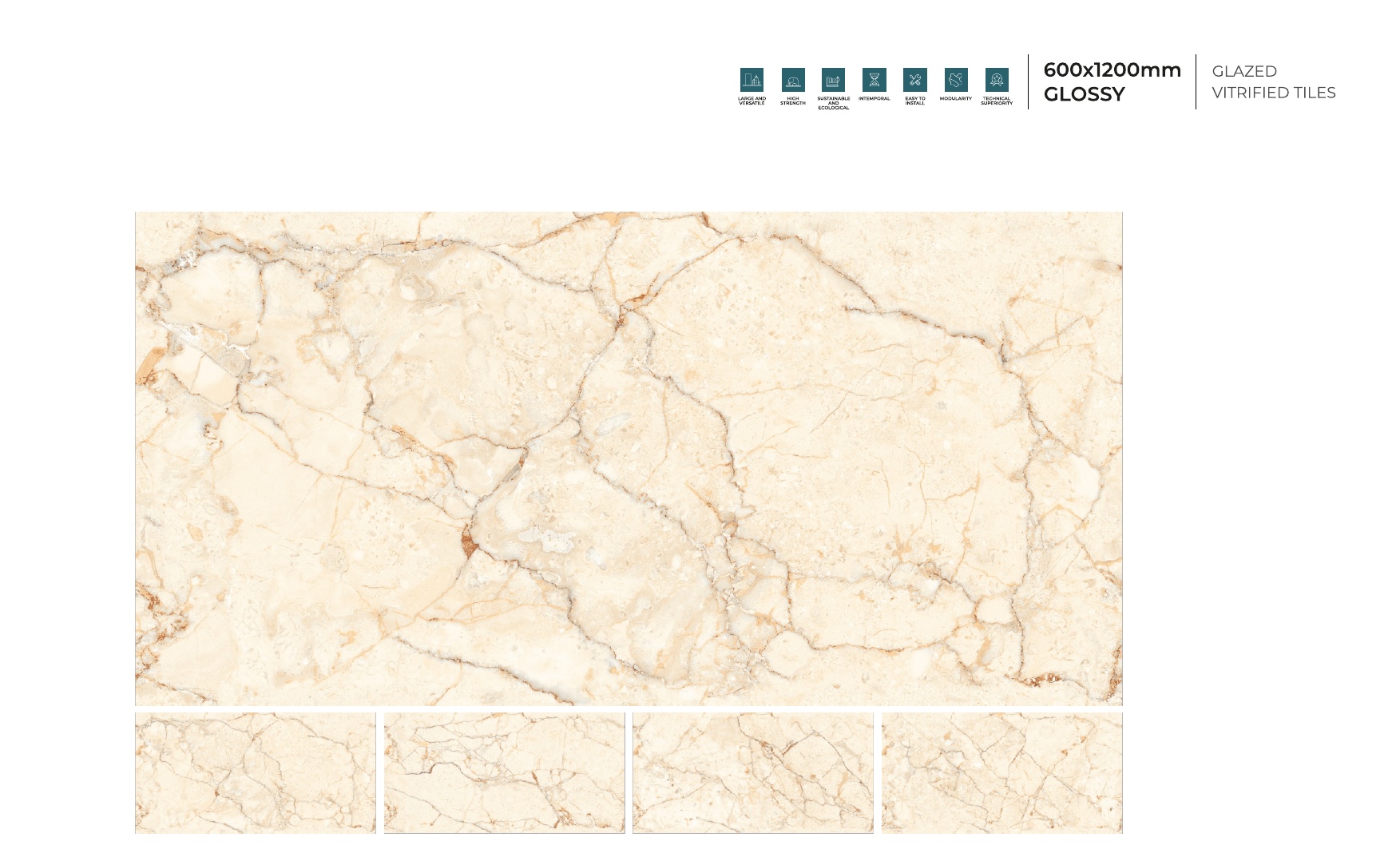
- Ivory / Classic: Warm cream tones with subtle veining — the most popular grade for interior flooring and wall cladding worldwide.
- Walnut (Noce): Rich brown with caramel undertones, ideal for rustic or Mediterranean-inspired designs. Frequently specified for exterior facades and accent walls.
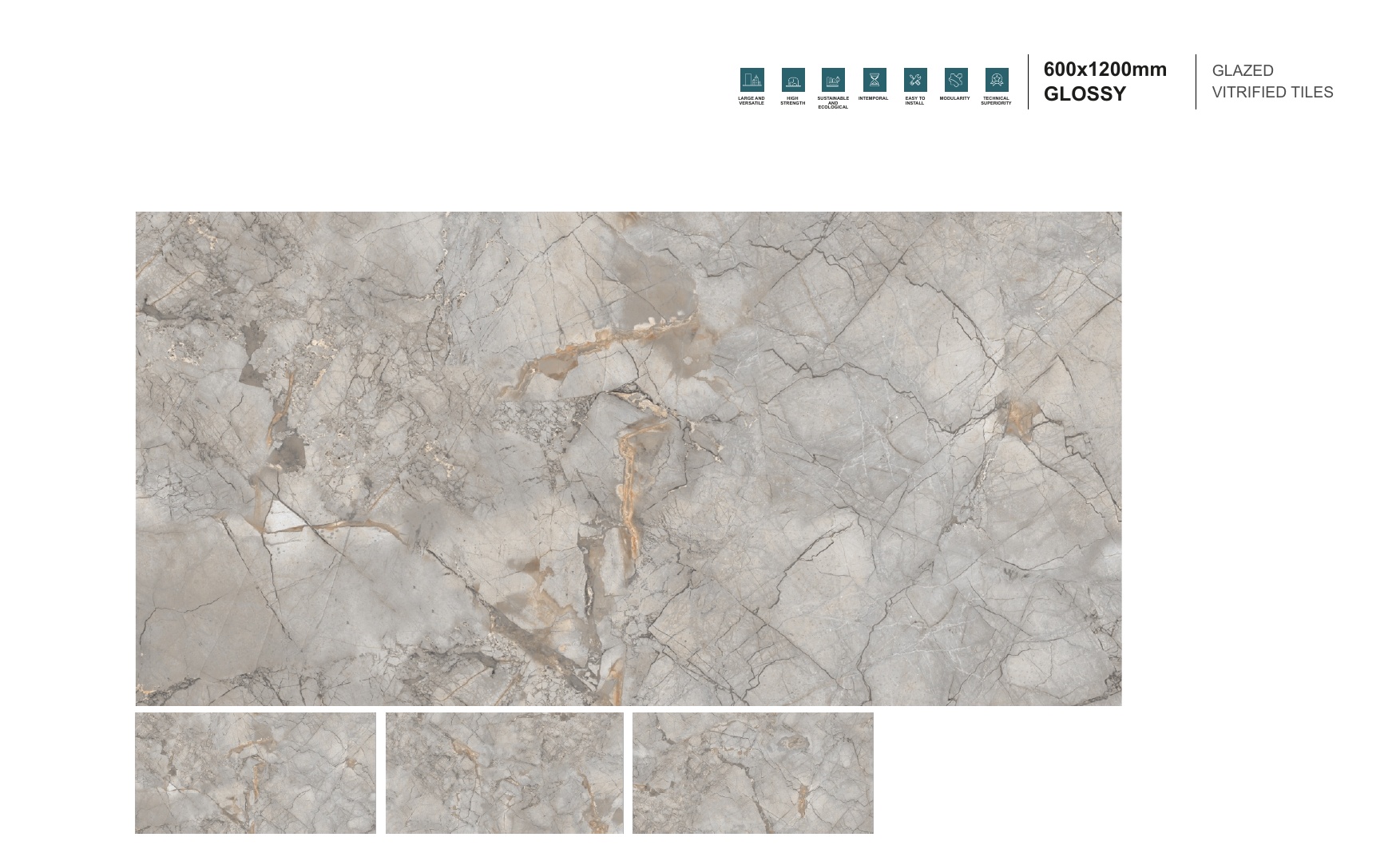
- Silver / Grey: Cool, contemporary tones that pair well with modern minimalist architecture. Demand for silver travertine has grown 25% year-over-year among European importers.
- Gold / Yellow: A warm honey shade quarried in limited volumes, prized for luxury hotel lobbies and high-end residential foyers.
- Red: Iron-oxide-rich deposits produce a distinctive burgundy-rust tone, mainly used for decorative accents and feature walls.
Applications: From Pool Decks to Skyscraper Facades
Travertine’s versatility is a major driver of demand. Common B2B applications include:
- Exterior facades & cladding: Travertine’s natural insulation properties and UV stability make it a proven performer on building exteriors across climate zones from Scandinavia to the Gulf States.
- Pool decks & patios: Tumbled or brushed travertine stays cool underfoot and offers excellent slip resistance when wet, outperforming porcelain or concrete pavers in thermal comfort tests.
- Interior flooring: Honed or filled travertine provides a smooth, low-maintenance floor surface for hotels, shopping centres, and residential developments.
- Wall cladding & feature walls: Split-face or chiselled travertine panels add depth and texture to lobbies, spas, and retail interiors.
Durability & Technical Performance
Turkish travertine scores 4–5 on the Mohs hardness scale, comparable to marble, with a compressive strength typically ranging from 50 to 120 MPa depending on density. When properly sealed, travertine resists staining and handles moderate foot traffic for decades with minimal maintenance.
Water absorption rates for premium-grade Turkish travertine generally fall between 1% and 5%, depending on whether the stone is filled or unfilled. For outdoor applications, specifying filled travertine with absorption below 3% ensures reliable freeze-thaw performance.
FOB Pricing Advantage
Turkey’s geographic position between Europe, the Middle East, and North Africa, combined with well-developed port infrastructure at Mersin and Izmir, gives Turkish travertine a significant logistics advantage. FOB pricing from Mersin for standard ivory travertine tiles (30.5×30.5×1 cm, honed & filled) typically ranges from $12–$18 per square metre — substantially below Italian equivalents.
Container loading is efficient: a standard 20-foot container holds approximately 20 tonnes (roughly 550–600 m² of 1 cm tiles), keeping per-unit freight costs low for volume buyers.
Export Volumes & Market Confidence
Turkey exported over $2 billion worth of natural stone in 2025, with travertine representing the largest single category. The Turkish Natural Stone Association (IMIB) certifies quality standards and facilitates dispute resolution, giving international buyers institutional safeguards that are often missing in other sourcing regions.
For B2B buyers, this mature export ecosystem translates into reliable lead times, standardised grading, and a deep supplier base that supports both spot orders and long-term supply agreements.
Ready to Source Turkish Travertine?
Browse our travertine collection or request a custom quote with FOB pricing for your project volume.
Browse Travertine Request a QuoteRelated Articles
Marble vs Travertine: Which is Right for Your Project?
Read Article